Will hordes of influencers, weed smokers and mid-point talkers bring down the US Open?
Posted on September 7, 2026 at 08:40:20 AM by tem
https://www.theguardian.com/sport/2026/sep/07/us-open-tennis-influencers-noise-weed
This year, the noise at the Billie Jean King National Tennis Center has officially become A Problem. But changing it would mean changing society
Aaron Timms at Flushing Meadows
Mon 7 Sep 2026 04.00 EDT
Share
Prefer the Guardian on Google
The first thing you notice while sitting in the upper tiers of Arthur Ashe Stadium is the noise. A persistent exterior hum filters up from ground level, fed by the massive ventilation and cooling units that sit outside the stadium, the clack of the Long Island Rail Road to the north, and the forklifts receiving goods from the refrigerator trucks that keep the USTA Billie Jean King National Tennis Center flush with its essential supplies of Evian, champagne, and premium IPA. Overhead, planes descending toward LaGuardia airport ensure the auditory assault takes place by land and air simultaneously. In the lower rakes of the stadium, the babble of the spectators is incessant; it’s not unusual to overhear full-volume conversations on various non-tennis topics – work, family, romance, last night’s dinner – that continue without interruption for the duration of an entire match.
New York is famously noisy, and the US Open, as the most glamorous annual sporting event in town, has always been loud in sympathy with its environment. Indeed, the brashness of the American grand slam has historically been its major selling point, the signature that distinguishes it from the Australian Open (the “happy slam”), Wimbledon (strawberries and cream, all-white attire, the home of tennis), and the French Open (French). People have been complaining about the volume of the New York crowd for decades. But this year the noise at the US Open feels different. This year noise at the noisy slam has become A Problem.
Influencers have been fingered as the main culprit: one “creator” filming with a ring light caused a brief stoppage in Naomi Osaka’s first-round match; another group of dancing TikTokers went viral with their balcony routine during a match last week; various players have griped about ticketholders more interested in filming themselves than watching the tennis causing distractions during play. But influencers are not solely to blame, and there have also been more general grievances about fan behavior: Jakub Menšik got a drunk spectator ejected during his loss to Learner Tien, while Aryna Sabalenka complained about the persistent smell of weed invading the court during her victory over Kamilla Rakhimova. “It’s become a bit of a zoo,” said journeyman Adrian Mannarino last week when describing the atmosphere at this year’s Open, and there’s now an abiding sense that measures must be taken to arrest the lawlessness that has taken hold among the crowds.
Aryna Sabalenka
‘Someone is smoking weed’: Sabalenka halts US Open match due to cannabis smell
Read more
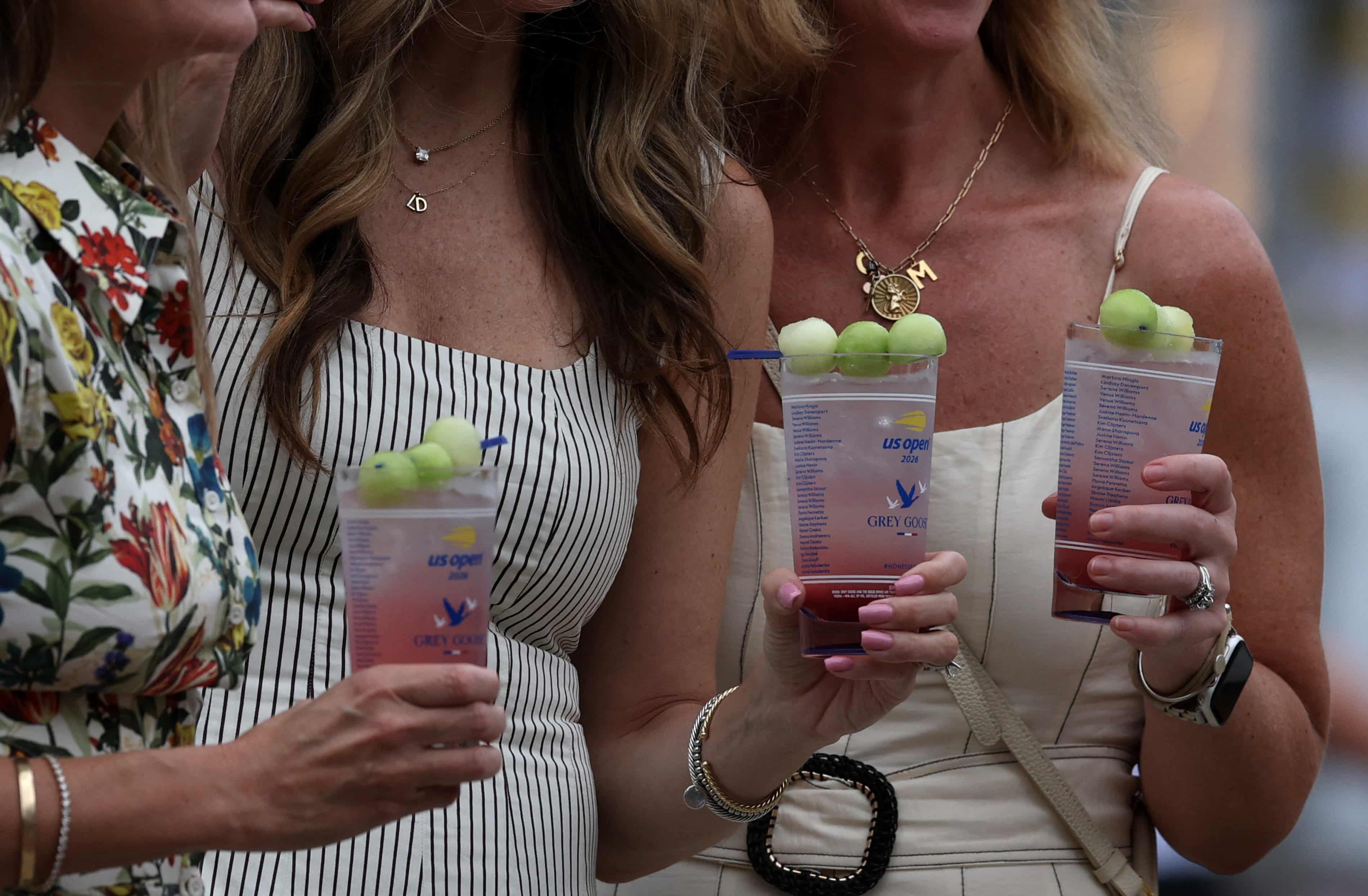
How bad are things really, though? It’s true that the grounds at the US Open this year have felt at times oppressively crowded. But the shoving obliviousness of the fans – the constant staring at phones, the almost universal lack of spatial awareness, the inconsiderate jostling in the interminable lines for the courts and the drinks and the $38 French dip sandwiches and the tiny free canisters of Dove deodorant – reflects nothing more than the poisonous effect of tech and commerce on culture at large. The tournament is drenched in commercial influence: more than it is a series of tennis matches, the US Open is a showcase for brands shilling everything from yogurt to $100,000 cars.
Tournament organizers have no standing to complain about all those naughty influencers when they themselves have so cravenly courted the very commercial dollar that brings influencers through the gates; a tournament built on brand activations and clammy promotional partnerships, with all its associated chaos, is very much a creature of their own making. If the USTA was actually serious about reducing the impact of influencers at the Open, it would reduce its own dependence on the brands that solicit them. But that, of course, will never happen.
This year, the noise at the Billie Jean King National Tennis Center has officially become A Problem. But changing it would mean changing society
Aaron Timms at Flushing Meadows
Mon 7 Sep 2026 04.00 EDT
Share
Prefer the Guardian on Google
The first thing you notice while sitting in the upper tiers of Arthur Ashe Stadium is the noise. A persistent exterior hum filters up from ground level, fed by the massive ventilation and cooling units that sit outside the stadium, the clack of the Long Island Rail Road to the north, and the forklifts receiving goods from the refrigerator trucks that keep the USTA Billie Jean King National Tennis Center flush with its essential supplies of Evian, champagne, and premium IPA. Overhead, planes descending toward LaGuardia airport ensure the auditory assault takes place by land and air simultaneously. In the lower rakes of the stadium, the babble of the spectators is incessant; it’s not unusual to overhear full-volume conversations on various non-tennis topics – work, family, romance, last night’s dinner – that continue without interruption for the duration of an entire match.
New York is famously noisy, and the US Open, as the most glamorous annual sporting event in town, has always been loud in sympathy with its environment. Indeed, the brashness of the American grand slam has historically been its major selling point, the signature that distinguishes it from the Australian Open (the “happy slam”), Wimbledon (strawberries and cream, all-white attire, the home of tennis), and the French Open (French). People have been complaining about the volume of the New York crowd for decades. But this year the noise at the US Open feels different. This year noise at the noisy slam has become A Problem.
Influencers have been fingered as the main culprit: one “creator” filming with a ring light caused a brief stoppage in Naomi Osaka’s first-round match; another group of dancing TikTokers went viral with their balcony routine during a match last week; various players have griped about ticketholders more interested in filming themselves than watching the tennis causing distractions during play. But influencers are not solely to blame, and there have also been more general grievances about fan behavior: Jakub Menšik got a drunk spectator ejected during his loss to Learner Tien, while Aryna Sabalenka complained about the persistent smell of weed invading the court during her victory over Kamilla Rakhimova. “It’s become a bit of a zoo,” said journeyman Adrian Mannarino last week when describing the atmosphere at this year’s Open, and there’s now an abiding sense that measures must be taken to arrest the lawlessness that has taken hold among the crowds.
Aryna Sabalenka
‘Someone is smoking weed’: Sabalenka halts US Open match due to cannabis smell
Read more
How bad are things really, though? It’s true that the grounds at the US Open this year have felt at times oppressively crowded. But the shoving obliviousness of the fans – the constant staring at phones, the almost universal lack of spatial awareness, the inconsiderate jostling in the interminable lines for the courts and the drinks and the $38 French dip sandwiches and the tiny free canisters of Dove deodorant – reflects nothing more than the poisonous effect of tech and commerce on culture at large. The tournament is drenched in commercial influence: more than it is a series of tennis matches, the US Open is a showcase for brands shilling everything from yogurt to $100,000 cars.
Tournament organizers have no standing to complain about all those naughty influencers when they themselves have so cravenly courted the very commercial dollar that brings influencers through the gates; a tournament built on brand activations and clammy promotional partnerships, with all its associated chaos, is very much a creature of their own making. If the USTA was actually serious about reducing the impact of influencers at the Open, it would reduce its own dependence on the brands that solicit them. But that, of course, will never happen.